

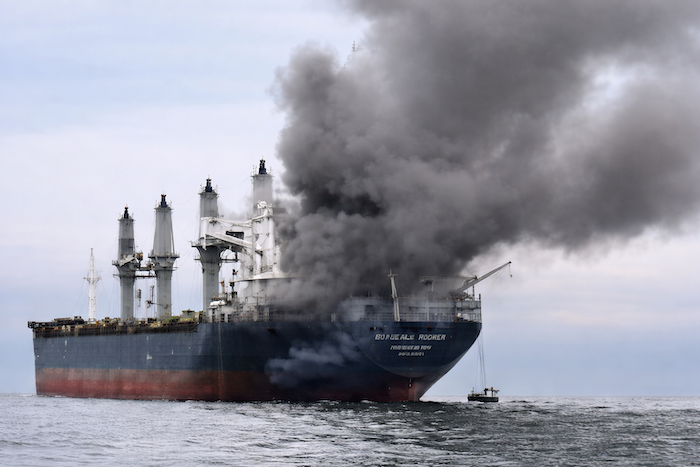
Shipping through the Strait of Hormuz remains severely disrupted as tensions between Iran and the United States–Israel alliance continue to escalate. The narrow waterway, through which roughly one fifth of the world’s oil normally passes, has seen tanker movements slow dramatically as insurers raise war-risk premiums and shipowners hesitate to enter the Gulf.
Iranian officials insist the strait remains open, but regional shipping sources say many vessels are waiting outside the Gulf until naval security arrangements become clearer. Oil traders report that several cargoes have already been delayed, raising fears of supply disruptions across Asia and Europe.
Energy analysts warn that even a partial restriction of traffic through Hormuz could quickly ripple through global markets. For countries such as Sri Lanka, which depend heavily on Middle Eastern energy supplies, the developments are being watched with growing concern as governments assess the potential for rising fuel prices and delayed deliveries.
Gulf Oil Output Under Pressure
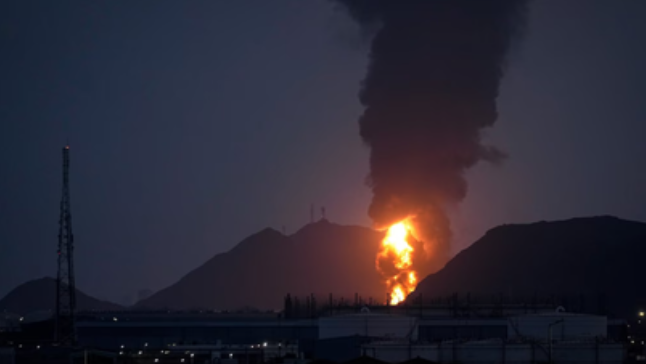
Oil production across several Gulf states has been sharply affected as the conflict spreads across the region. Energy industry reports indicate that output from the United Arab Emirates has fallen significantly amid security concerns and disruptions around export terminals.
Regional producers are now operating under heightened threat following drone strikes and missile alerts linked to the ongoing confrontation with Iran.
Some installations have temporarily slowed output while authorities reassess security measures.
Market observers say the combined disruptions from the Gulf could remove millions of barrels of oil per day from global supply if the situation deteriorates further. That prospect has already pushed oil prices higher and rattled energy markets.
For oil-importing countries, particularly in Asia, the immediate concern is not only price increases but the possibility of logistical delays in tanker shipments. Governments across the region are beginning to evaluate contingency plans as the crisis deepens.
Conflict Expands Across the Region
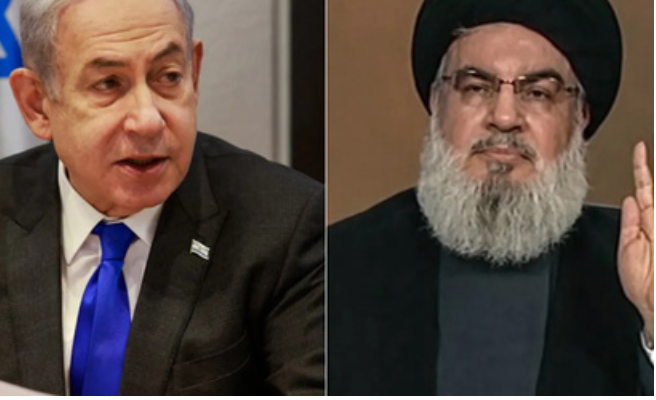
The war between Iran and the United States–Israel alliance is widening geographically, with attacks reported across several parts of the Middle East. Israeli forces have continued air strikes against targets inside Iran, while Iranian drones and missiles have reportedly targeted military facilities linked to U.S. forces across the Gulf region.
At the same time, fighting has intensified along Israel’s northern front with Hezbollah, raising fears of a broader regional conflict. Humanitarian agencies say the escalation has already displaced tens of thousands of civilians in parts of Lebanon.
Military analysts say the pattern of attacks now suggests a conflict that is no longer confined to isolated operations but has evolved into a multi-front confrontation stretching from the eastern Mediterranean to the Gulf.
Diplomatic efforts to contain the violence remain limited, with global powers urging restraint while preparing for the possibility of further escalation.