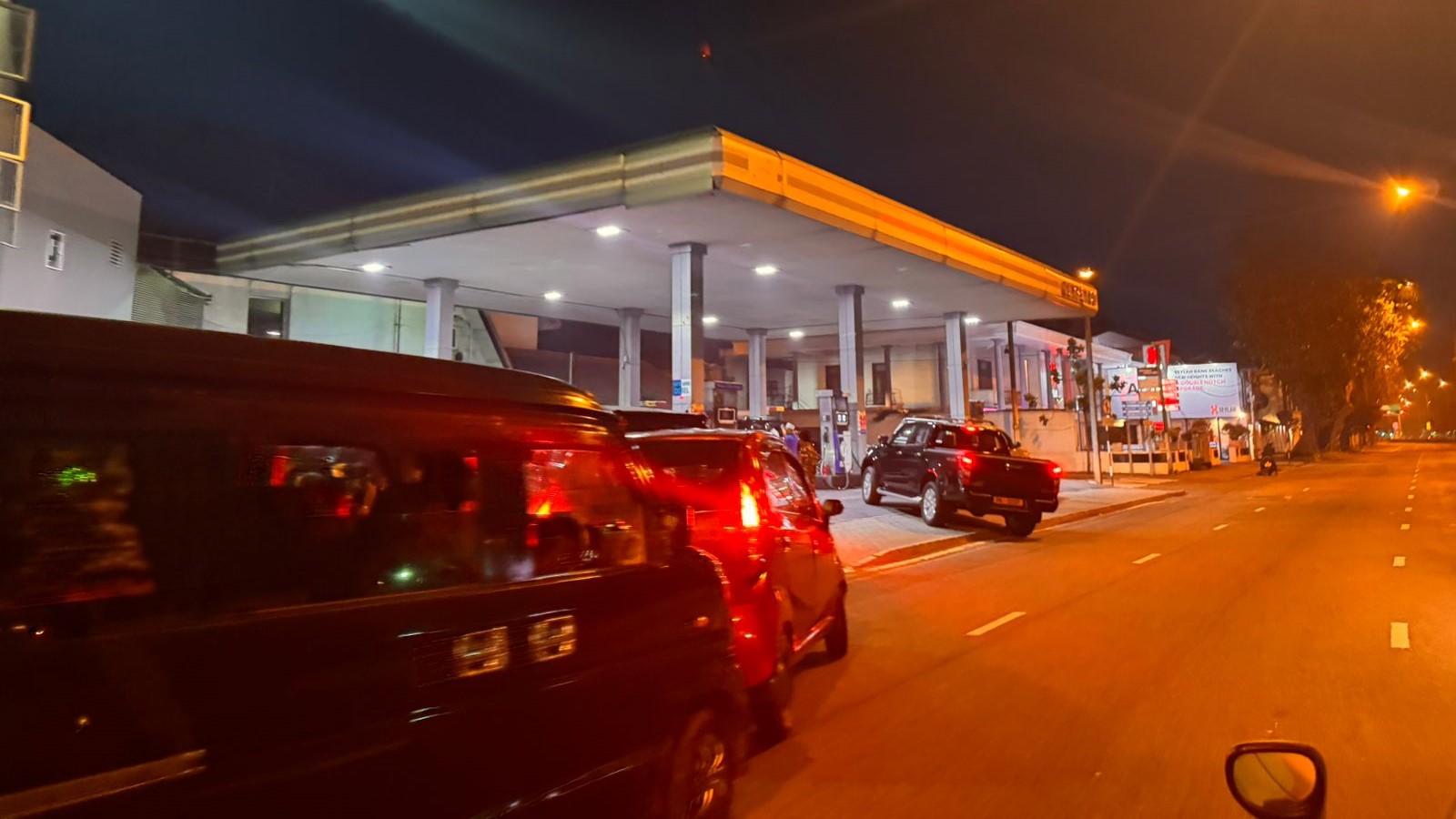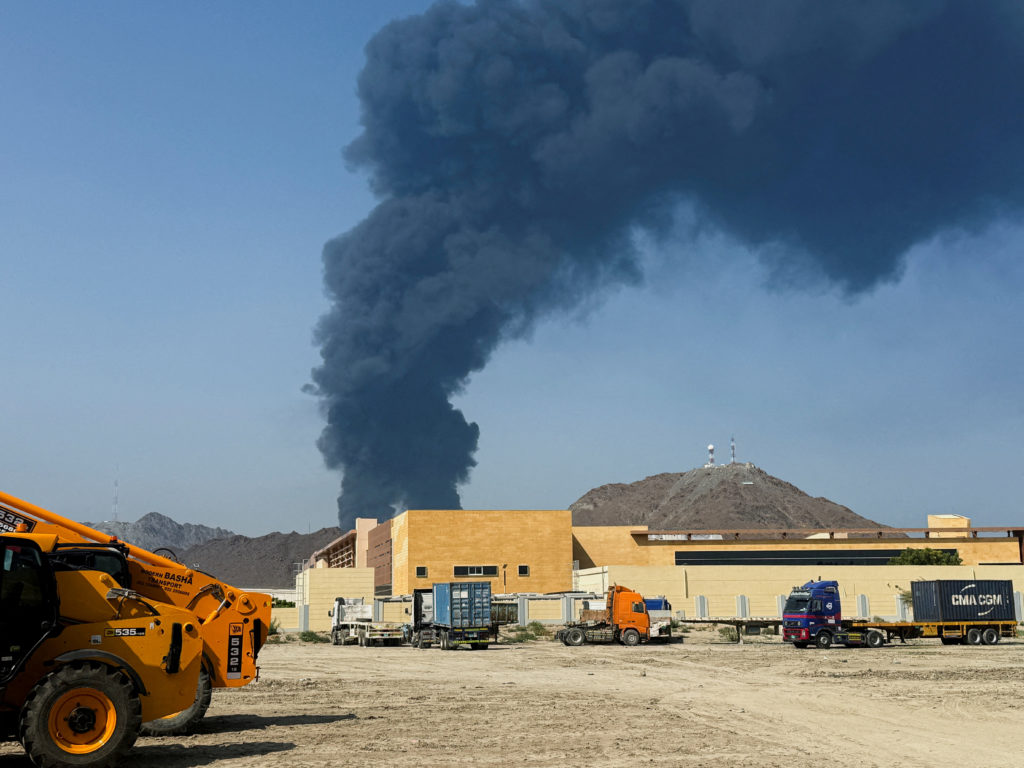

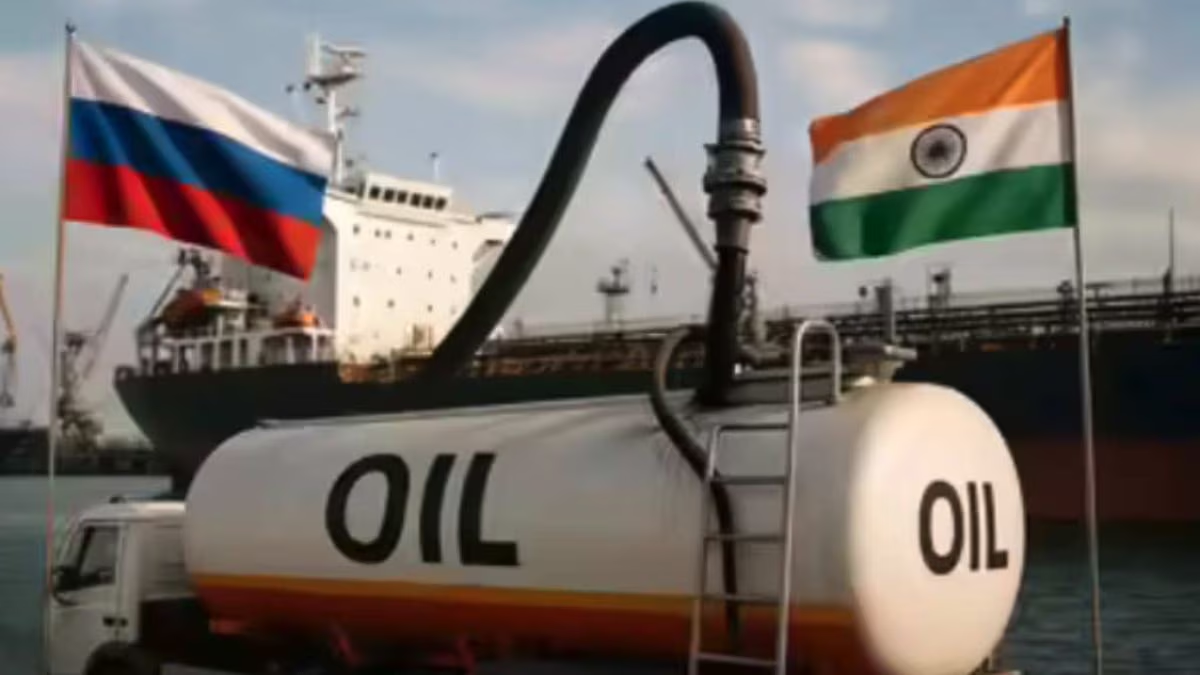
As traditional supply routes come under strain, Sri Lanka is increasingly looking closer to home. India’s role as a regional stabiliser is becoming more pronounced, with reports confirming that Colombo has sought assistance in securing energy supplies. This is not merely a transactional arrangement. It reflects a deeper shift in regional dynamics.
For decades, Sri Lanka’s energy dependence has been oriented toward the Gulf. That model is now under pressure.
Be that as it may, India’s emergence as a potential backstop introduces both reassurance and recalibration. On the one hand, proximity offers logistical advantages, faster response times, and a degree of predictability.
n the other, it raises questions about long-term dependence and strategic alignment. Sri Lanka must therefore navigate this relationship with care, ensuring that short-term necessity does not translate into long- term constraint.
The broader implication is clear. South Asia is beginning to organise itself in response to external shocks, with India at the centre.
For Sri Lanka, the task is to engage constructively while preserving autonomy. In a world of shifting alliances, flexibility may prove to be the most valuable asset of all.