
The world’s gas heart has been hit – and the tremors are global.
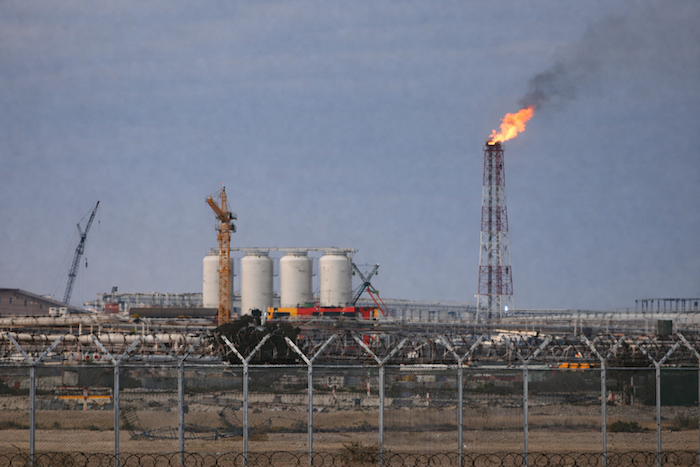
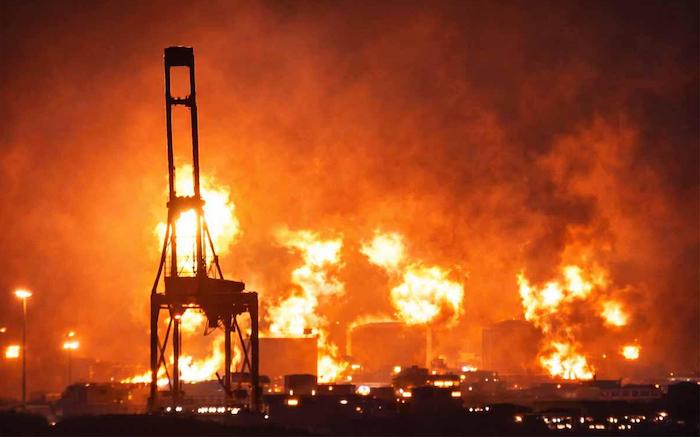
In a dramatic escalation of the Middle East conflict, missile strikes have hit Qatar’s Ras Laffan Industrial City – home to the world’s largest liquefied natural gas facility – sending shockwaves through global energy markets and raising fears of a prolonged supply crisis.
According to multiple international reports, including Financial Times and Reuters, Iranian missiles targeted the complex in retaliation for earlier strikes on Iran’s South Pars gas field. One missile is reported to have struck the facility directly, igniting fires and causing what authorities described as “extensive damage.”
Ras Laffan is not just another industrial site. It is responsible for roughly 20% of global LNG supply, feeding markets across Asia and Europe. Any sustained disruption has immediate consequences – not just for energy prices, but for inflation, industry and economic stability worldwide.
Be that as it may, the symbolism of the attack may prove just as significant as the physical damage. This marks a clear shift in the conflict – from military targets to economic infrastructure, signalling that energy itself is now a weapon.
Qatar has condemned the strike as a violation of sovereignty and expelled Iranian military attaches, while global markets reacted swiftly, with oil and gas prices spiking sharply.
The question now is not whether markets will react – they already have – but whether this represents a one-off escalation or the beginning of a sustained campaign against global energy arteries.