
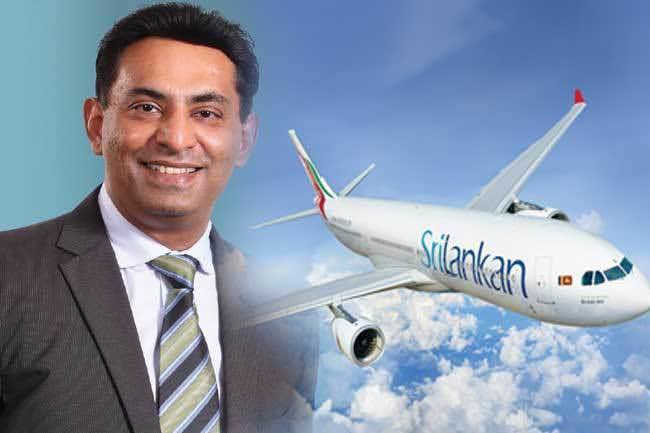
Sri Lanka has been here before. The names change, the headlines rotate, the outrage rises – and yet, somehow, the conclusion remains stubbornly the same: unresolved. Now, the long-shadowed Airbus affair has once again burst into public discourse, this time with fresh claims attributed to former SriLankan Airlines CEO Kapila Chandrasekera.
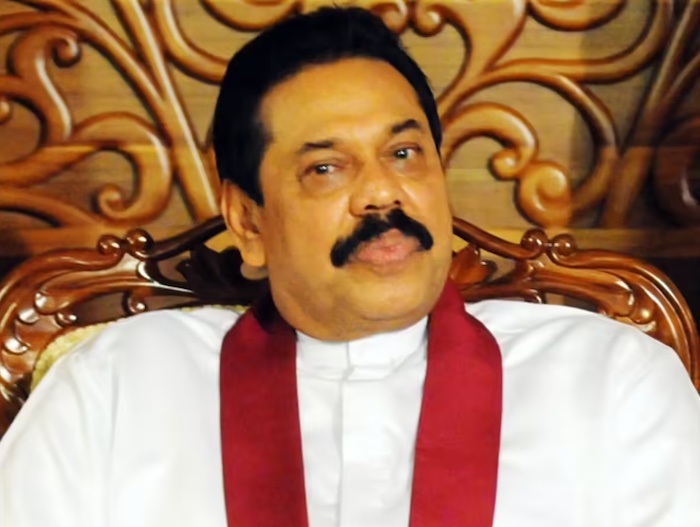
According to reports, Chandrasekera is said to have claimed that part of the funds he received – reportedly USD 2 million linked to the Airbus transaction – were passed onward, with allegations pointing towards former President Mahinda Rajapaksa and former Aviation Minister Priyankara Jayaratne.
Be that as it may, and let this be said clearly at the outset, these remain allegations – serious, consequential, and potentially explosive – but allegations nonetheless. In a country where reputations are as quickly destroyed as they are defended, the line between claim and proof must remain firmly respected. Yet, equally, the line between allegation and investigation cannot be ignored.
What is striking is not merely the content of the claims, but their familiarity. The Airbus matter has for years been emblematic of a deeper malaise – a system in which deals of immense financial magnitude appeared to operate beyond the scrutiny of the very public whose funds were ultimately at stake. Internationally, Airbus itself entered into deferred prosecution agreements acknowledging wrongdoing in multiple jurisdictions. Domestically, however, the question has always lingered: who, in Sri Lanka, was ultimately responsible?
That question now returns with renewed urgency.
For President Anura Kumara Dissanayake, this is no longer a matter of historical curiosity. It is a live test – perhaps the most significant yet – of the promise upon which his administration was elected. Anti-corruption was not a slogan. It was the central plank. The expectation, therefore, is not incremental movement, but decisive action.
The public, weary from years of economic hardship and institutional erosion, is watching closely. There is little appetite left for process without outcome.
Investigations that begin loudly and end quietly have become part of the national psyche – and not in a way that inspires confidence.
What is required now is clarity. If these claims have substance, they must be pursued rigorously, transparently, and without fear or favour. If they do not, they must be disproven with equal force. The space in between – the grey zone of ambiguity – is where trust is lost.
There is also a broader context that cannot be ignored. Sri Lanka’s economic crisis did not emerge in isolation. It was, in part, the cumulative consequence of decisions taken without adequate accountability, of systems that permitted opacity, and of a political culture that too often blurred the lines between public duty and private gain.
In that sense, this is not merely about Airbus. It is about precedent.
If, at this juncture, the state demonstrates that even the most politically sensitive allegations can be examined impartially, it marks a turning point. If not, it reinforces a narrative that has long haunted the republic – that power, once attained, remains largely beyond reach.
Be that as it may, the moment is here.
The allegations have been aired. The names have been spoken. The public has taken note.
What remains to be seen is whether Sri Lanka, finally, has the will to follow the trail – wherever it may lead.