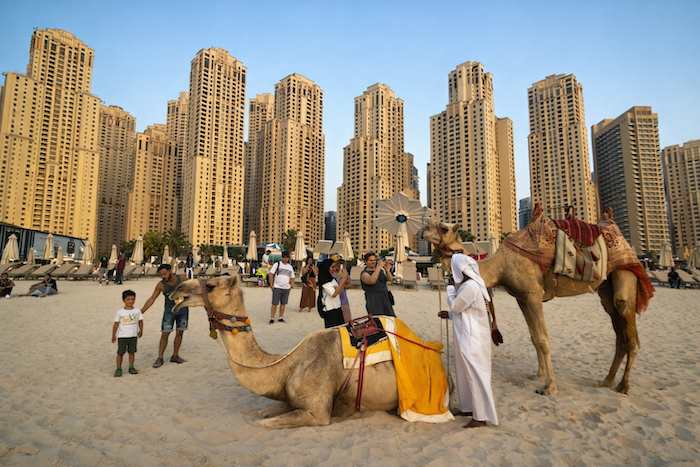
The missile may dominate headlines, but for Dubai and the wider Emirates, the quieter story may prove just as damaging: confidence is draining out of the visitor economy. Dubai was built not merely on steel and property, but on the assumption that people, planes and money would keep flowing through with minimal interruption. War has challenged that assumption with brutal speed. Reporting from The Times and Channel News Asia indicates hotel bookings have slumped, room rates have fallen sharply, and the city’s travel machine has been forced into emergency discounting at a scale that would have been unthinkable just weeks ago.
This is not cosmetic damage. Dubai’s business model is unusually exposed to perception. When travellers fear airspace risk, missile alerts or regional spillover, they do not wait for perfect information. They cancel first and ask questions later. That is why war in the Gulf does not need to flatten Dubai physically to wound it economically. It only needs to make the city feel less certain.
The internal strain is showing up elsewhere too. The Financial Times reported that the Iranian Hospital in Dubai was closed amid a broader clampdown on Iran- linked institutions, reflecting how security anxieties are now spilling into the social and administrative fabric of the UAE itself.
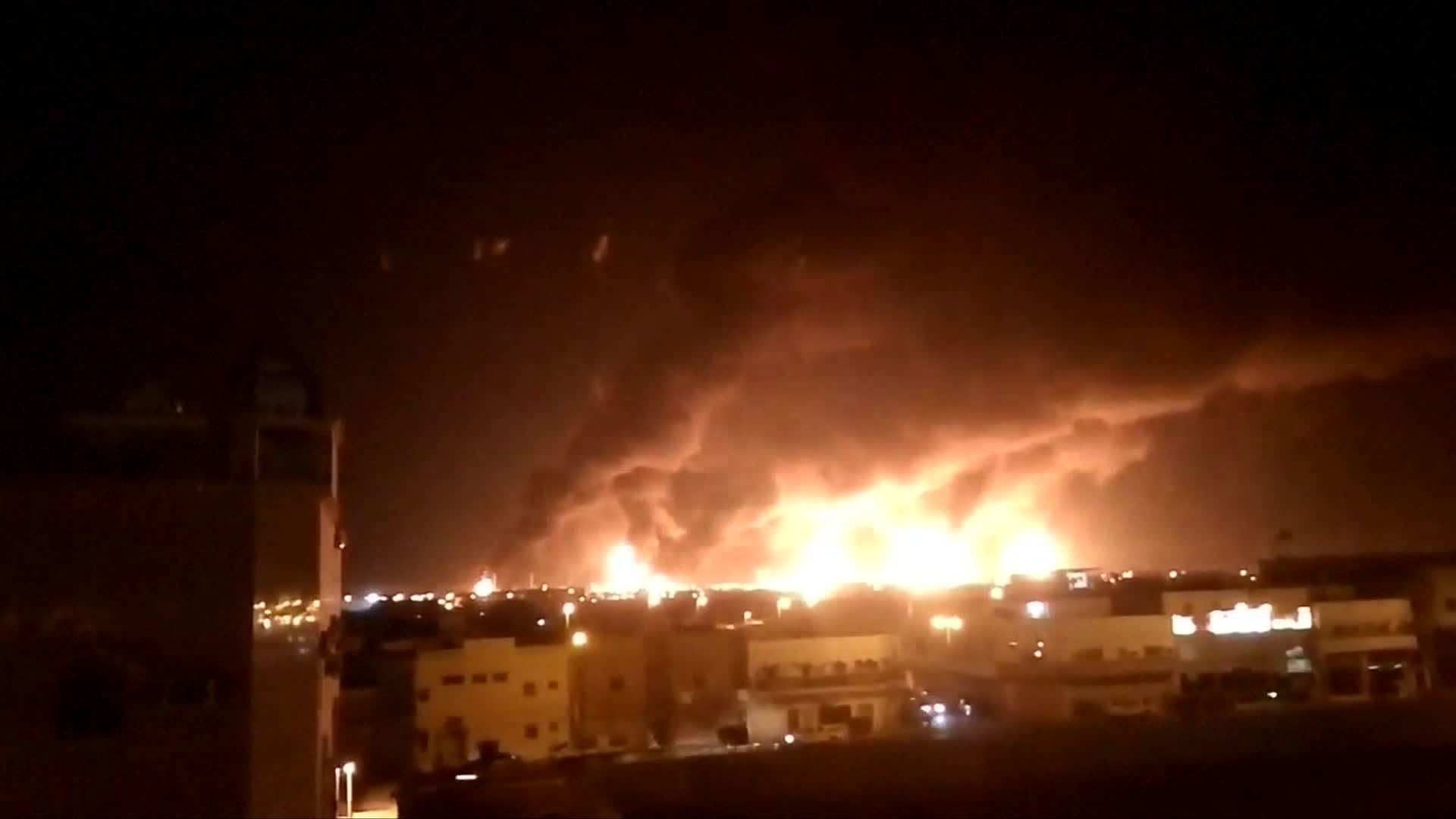
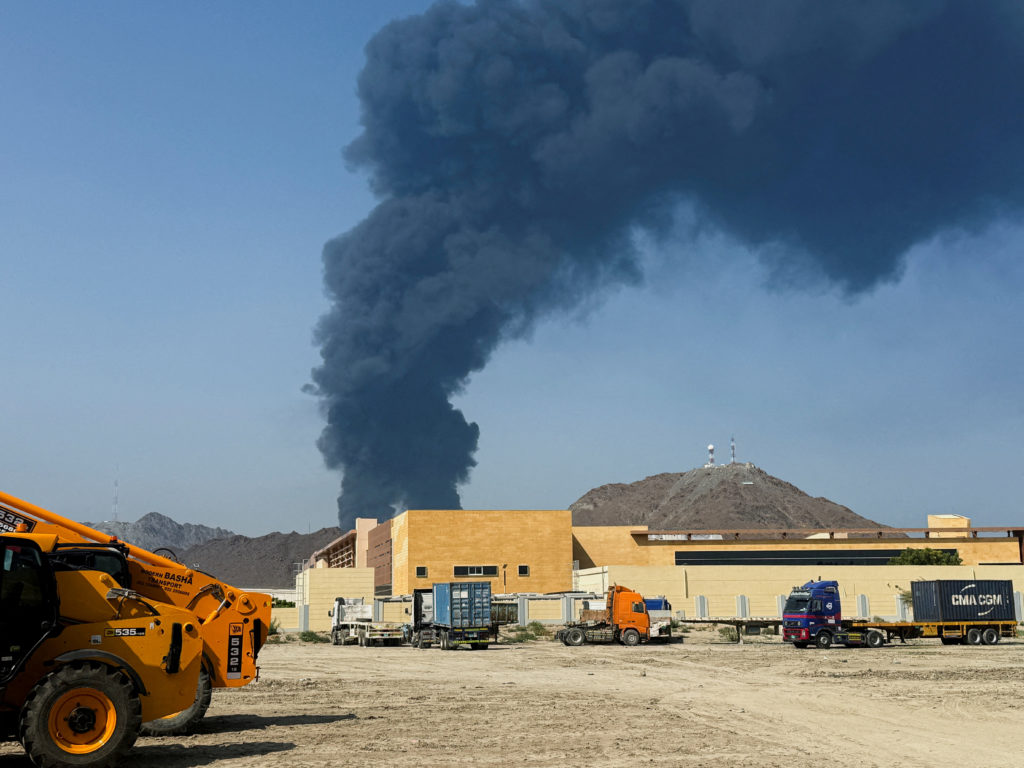
For the rest of the Emirates, the exposure varies, but the direction is similar. Fujairah’s oil infrastructure has already featured in attack reporting, and Abu Dhabi has not been untouched either. The UAE can project strength, and often convincingly so, but it cannot insulate itself completely from a war that is hitting energy, air corridors and investor psychology all at once.
Dubai still looks polished. But polish is not immunity. And in a region where image is economic infrastructure, a shaken image is itself a form of damage.
The internal strain is showing up elsewhere too. The Financial Times reported that the Iranian Hospital in Dubai was closed amid a broader clampdown on Iran-linked institutions, reflecting how security anxieties are now spilling into the social and administrative fabric of the UAE itself. That is a reminder that this is not only an external security crisis; it is also an internal reordering of trust, scrutiny and control.
For the rest of the Emirates, the exposure varies, but the direction is similar. Fujairah’s oil infrastructure has already featured in attack reporting, and Abu Dhabi has not been untouched either. The UAE can project strength, and often convincingly so, but it cannot insulate itself completely from a war that is hitting energy, air corridors and investor psychology all at once.
Dubai still looks polished. But polish is not immunity. And in a region where image is economic infrastructure, a shaken image is itself a form of damage.