COLOMBO – On the surface, there are two competing narratives.
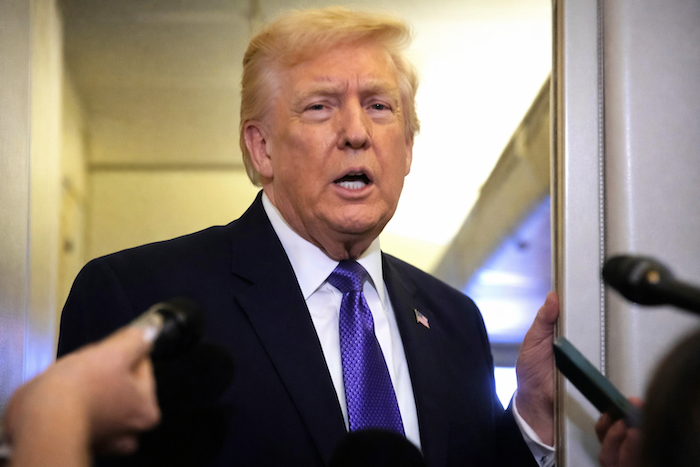
On one hand, Donald Trump speaks of “very good and productive conversations” with what he described as a “top person” connected to Iran. On the other, Tehran dismisses the claim outright, insisting there are no talks and that Washington is, in its own words, “negotiating with itself.” Be that as it may, the situation on the ground tells a far more decisive story.
Yesterday and today have been defined not by diplomacy, but by continued escalation. Iranian missile and drone strikes have been reported against Israeli targets and US- linked positions across the Gulf. In response, Israel has carried out sustained airstrikes deep inside Iran, while also expanding operations in Lebanon against Hezbollah-linked positions.
This is not a conflict cooling down. It is one still very much active.
At the same time, the United States is increasing its military posture. Plans are underway to deploy thousands of additional troops into the region, including airborne and marine units, signalling preparedness for a wider confrontation even as diplomatic language is being used publicly.
That dual track is striking.
Public messaging suggests engagement. Military movement suggests pressure. Meanwhile, intermediaries such as Pakistan, Egypt and Oman are attempting to keep lines of communication open. A detailed proposal has reportedly been passed to Tehran outlining a potential ceasefire framework, including nuclear restrictions and sanctions relief. Yet Iran has rejected the terms as excessive and continues to insist on its own conditions.
So what is the score tonight?
The Strait of Hormuz remains tense, with shipping disruptions still a risk. Oil prices have surged back above the $100 mark, reflecting continued uncertainty. Markets are reacting not to peace, but to the possibility of further escalation.
Casualties are mounting. Infrastructure is being hit. And the theatre of conflict is widening rather than narrowing. Be that as it may, there is one important nuance.
While both sides publicly deny meaningful talks, the existence of intermediaries suggests that some form of indirect communication is almost certainly underway. Not negotiations in the formal sense. But not silence either.
And that is where the current moment sits.
Not peace. Not full-scale regional war. But a dangerous middle ground.
A conflict being fought in the open, while diplomacy, if it exists at all, is happening in the shadows.