Sri Lanka’s Department of Agrarian Development has implemented a new fuel distribution system for farmers that circumvents the conventional QR code procedures, a move aimed at ensuring food security, according to officials.
Dhammika Ranatunga, the Commissioner General of Agrarian Development, informed the media that this initiative allows for fuel to be allocated for agricultural purposes without the necessity of a QR code. “We have established a process to supply fuel for farming activities without requiring a digital code,” he stated.
The newly introduced system relies on recommendations from regional officers, enabling farmers to obtain fuel through direct verification by divisional officers instead of digital codes.
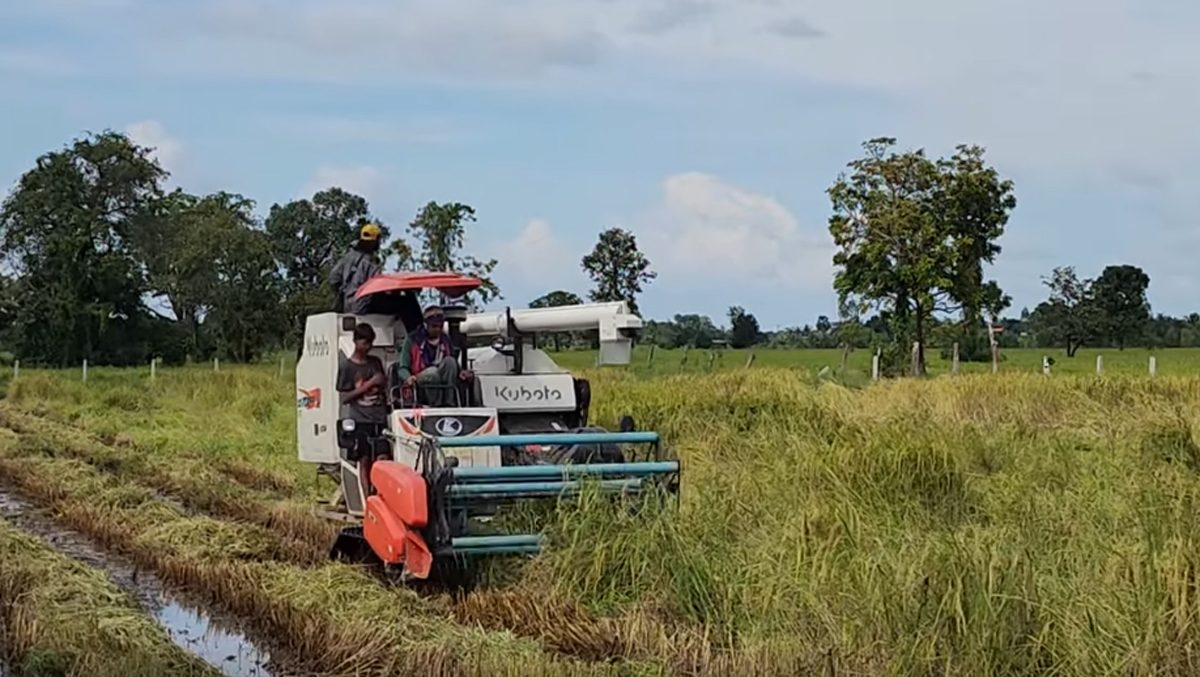
Ranatunga explained that when the QR code system was first instituted, there was a recognized need for fuel to support agricultural work, particularly as harvesting has commenced in various regions during the Maha season, while preparations for the upcoming season are underway in others.
For harvesting operations, farmers are allocated 15 liters of fuel per acre, while a provision of 10 liters per acre is available for land preparation and plowing activities.
Additionally, Ranatunga noted that the Ceylon Petroleum Corporation is developing a specific QR system for larger farms that require a daily fuel supply for heavy equipment and irrigation pumps. He remarked, “There is a growing demand for fuel for various agricultural functions, particularly for water pumps and machinery. However, it is challenging to specify a fixed amount, as the fuel needs vary depending on the equipment. Based on these requirements and the assessments from our officers, we have started supplying fuel for these machines.”