
FINANCIAL CHRONICLE – Remittances to Sri Lanka saw a notable increase of 17.5 percent, reaching US$814.8 million in March 2026, according to data from the central bank. This upward trend has been evident since 2024.
The surge in remittances from foreign workers follows a record monthly inflow recorded in December of the previous year, as well as an annual total of US$8,076.2 million in remittances for 2025, marking a historical peak.
During the first quarter of this year, remittances from Sri Lankans working overseas rose by 26.5 percent, amounting to US$2,294.9 million compared to the same timeframe last year.
This increase in remittances is attributed to a greater number of Sri Lankans seeking employment abroad as the nation gradually recovers from the severe economic crisis it experienced in 2022, as indicated by official reports.
Remittances from overseas workers are the primary source of foreign exchange income for Sri Lanka, which is still in the process of recovering from the unprecedented economic turmoil that struck in 2022.
The rise in remittances can be linked to the central bank’s decision to abandon a parallel exchange rate system. This change encouraged many expatriates to utilize formal banking channels instead of informal money transfer methods like Undiyal and Hawala.
Since declaring bankruptcy in 2022, Sri Lanka has been focusing on sending more skilled migrant workers abroad to enhance foreign exchange earnings.
In 2021, the volume of remittances through official channels significantly declined, as many expatriates opted for informal transfer methods that offered better rates than traditional banking options.
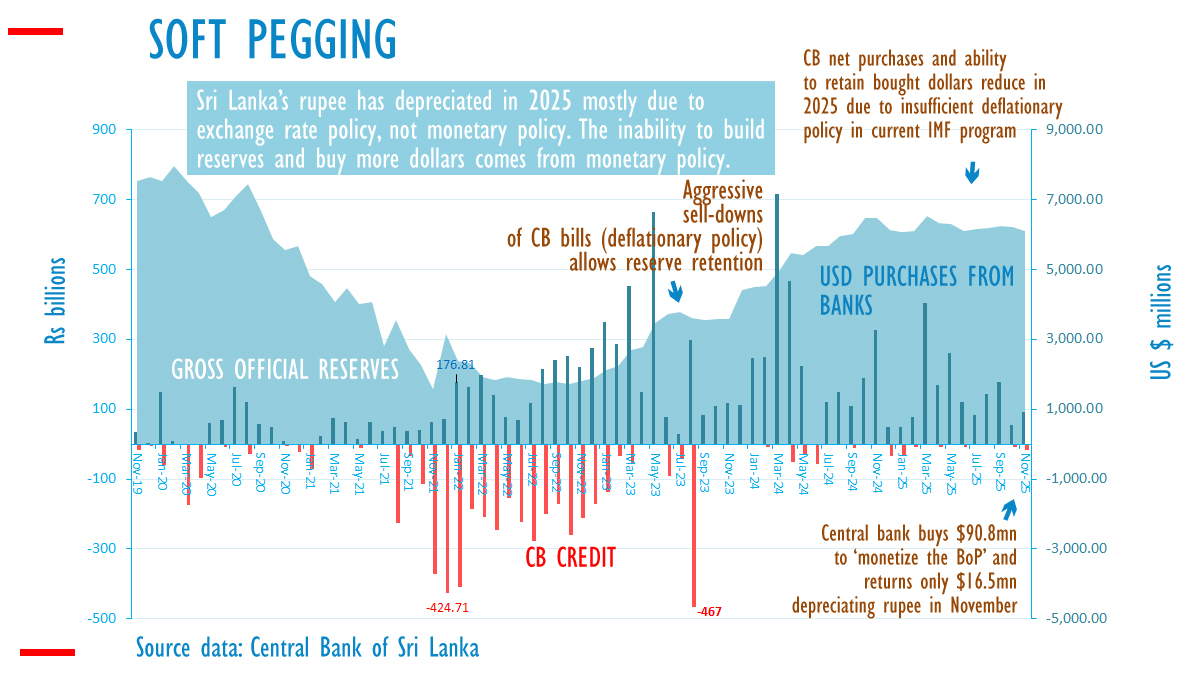
This shift occurred after the Central Bank engaged in monetary interventions that led to the establishment of parallel exchange rates outside the formal banking system.
Beginning in April 2022, the central bank raised interest rates to unprecedented levels, which resulted in a slowdown in credit and reduced money printing to maintain lower rates. Eventually, the Central Bank adopted a more accommodating monetary policy. (Colombo/April 13/2026)