
Sri Lanka recorded a 4.2% increase in tourist arrivals in December 2025, a figure widely cited as evidence of economic recovery. The narrative is simple and appealing: more visitors equal better economy.
Reality is far more nuanced.
Tourism numbers alone tell little about the sector’s health. Duration of stay, expenditure per visitor, and geographic distribution are more relevant than arrival counts. A surge in budget or short-stay arrivals inflates statistics without corresponding fiscal or employment gains. True recovery requires high-value tourism, extended stays, and spending that benefits local businesses and infrastructure.
The current strategy relies heavily on volume-based metrics. International marketing campaigns emphasise quantity rather than quality, and the government continues to treat arrivals as an automatic stabiliser. Yet tourism is not self- correcting. Policy gaps, inconsistent regulation, and infrastructure constraints persist Airline connectivity remains limited, and hotel capacity, while growing, is concentrated in a few urban and coastal areas.
Environmental and social costs of tourism are often overlooked. Popular destinations are strained; public services face congestion, and local communities rarely share in the benefits proportionately. Without strategic planning, growth leads to overcrowding rather than sustainable revenue.
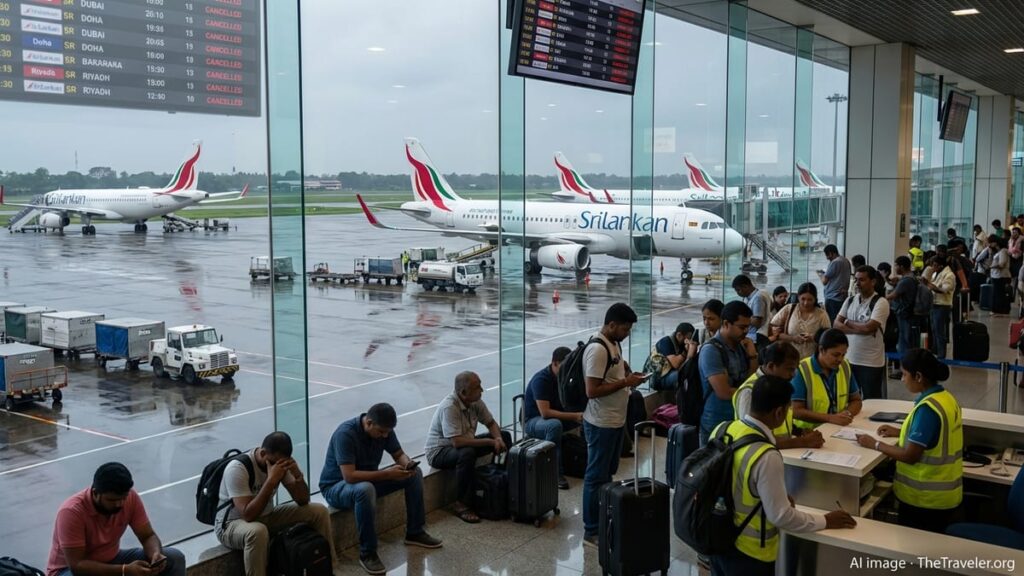
Weather disruptions have been cited as barriers, but they are only part of the story. Recovery is also constrained by inconsistent visa policies, erratic marketing, and the sector’s exposure to political uncertainty. Tourists, particularly high-spending visitors, respond not just to attractions but to predictable governance and quality assurance.
The hidden fiscal dimension: tourism revenue contributes indirectly through VAT, service levies, and foreign exchange, yet overreliance on volume inflates expectations without stabilising fiscal flows. Operators may be incentivised to discount heavily, straining profitability, and leaving tax contributions lower than headline arrival numbers suggest.
Counting heads is easy. Measuring real contribution is difficult. Until policies shift from arrivals to impact, growth remains largely symbolic.
True recovery requires infrastructure investment, service standards, environmental safeguards, and consistent policy signals — all areas where progress has been uneven.