
The IMF is returning to Colombo, officially to assess the impact of Cyclone Ditwah. Publicly, this is framed as a humanitarian and technical mission. In reality, it is a stress test of Sri Lanka’s recovery narrative.
The IMF does not arrive with sympathy. It arrives with spreadsheets.
Cyclones do not create weak fiscal systems; they expose them. The Fund’s real interest will not be rainfall figures, but whether Sri Lanka can absorb shocks without abandoning discipline—or returning to improvisation.
This visit will assess credibility as much as damage. Can emergency spending be managed without breaching programme targets? Can relief be delivered without reopening fiscal loopholes? Or will disaster once again become a justification for postponing reform?
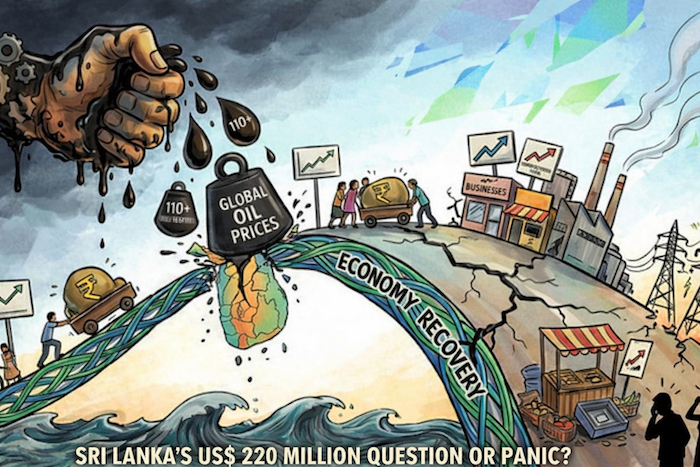
Sri Lanka’s recovery remains narrow. Consumption has stabilised. Tourism has returned. Remittances have held. None of these constitute resilience.
They are vulnerable to global conditions and domestic missteps alike.
Every crisis now triggers negotiation. That pattern is dangerous. Recovery that collapses at the first shock is not recovery—it is conditional calm.
The IMF may allow flexibility. It often does. But flexibility usually comes as rephased targets, not rewritten logic.
The fundamentals remain: revenue mobilisation, expenditure control, and reform of inefficient state institutions.
Politically, IMF engagement is used as reassurance. Governments point to visits as validation. The public should be more sceptical.
An IMF mission is not endorsement. It is supervision.
The deeper question is whether Sri Lanka is building buffers—or merely surviving between shocks.
If every cyclone resets the fiscal conversation, then the system has learned nothing from crisis.