
Slower Growth in 2026: The Warning Hidden in Plain Sight
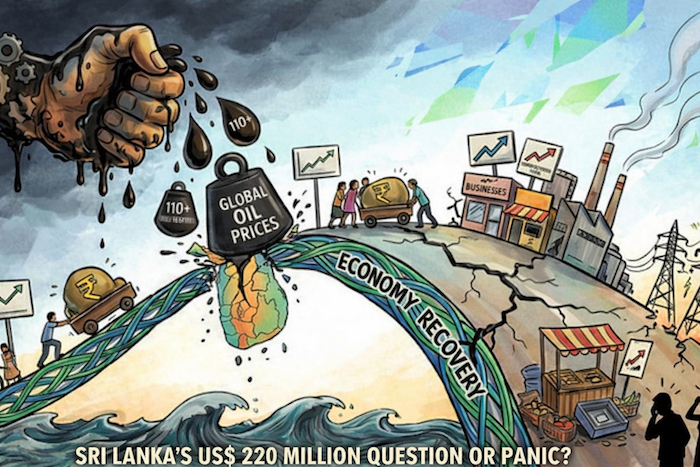
Sri Lanka’s grwth outlook for 2026 is being revised downward, and the reaction ranges from concern to disbelief. It shouldn’t.
An economy that stabilises without reform does not accelerate. It pauses. Then it slows. That is not pessimism—it is pattern recognition.
Sri Lanka exited crisis mode by tightening belts, raising taxes, and restoring macro order. Necessary steps, yes. Transformational ones, no. Growth requires productivity, diversification, and investment confidence. None appear automatically.
The growth model remains familiar: tourism rebounds, remittances cushion consumption, imports rise. This is recovery without momentum.
Where is export diversification beyond apparel and tea?
Where is industrial upgrading?
Where is productivity growth?
These questions are usually answered with references to “external headwinds”. But external conditions affect everyone. Only structurally weak economies stumble repeatedly.
The danger now is complacency. A few stable quarters have created the illusion that the hard part is over. In reality, the difficult phase was always going to come next: reforming loss-making SOEs, rationalising public expenditure, and confronting politically costly inefficiencies.
Slower growth is not a forecasting error. It is a signal.
If 2026 underperforms, responsibility will not lie solely with global uncertainty. It will lie with a political economy that prefers short-term calm over long-term change.
Growth cannot be sustained on sentiment or survival tactics. It requires decisions governments prefer to defer.
The question Newsline asks is not whether growth will slow—but whether this slowdown will finally force honesty about what recovery actually requires.