
Fitch Ratings, based in London, indicates that Middle Eastern sovereign ratings have sufficient resilience to endure a brief regional conflict that does not escalate further. However, the uncertainty surrounding the conflict’s trajectory poses potential risks, particularly if there is lasting damage to key energy infrastructure or prolonged hostilities.
The recent attacks by Israel and the United States on Iran, initiated on February 28, have had a more significant impact than similar events in June 2025. Fitch’s baseline scenario suggests the conflict will persist for less than a month, influenced by factors such as the destruction of Iranian military capabilities and the U.S.’s reluctance to engage in a prolonged conflict. While attacks by Iran and its proxies across the region are expected to continue and potentially intensify in the short term, significant regional damage remains outside this baseline scenario.
Potential damage to GCC energy export infrastructure represents the most likely risk to sovereign ratings. Although minor damage has occurred, it is not part of Fitch’s baseline expectation. Fitch assumes the Strait of Hormuz will effectively remain closed during the conflict due to direct blockages, insurance issues, or other threats. Over 20 million barrels of crude and refined products, along with significant LNG flows, pass through Hormuz daily.
Saudi Arabia and the UAE have pipelines that allow much of their production to bypass the Strait, and key oil exporters have stored reserves outside the region. Nevertheless, Bahrain, Kuwait, and Qatar, which lack alternative supply routes, and Iraq, heavily reliant on the Strait, may experience a near-term decline in oil and gas activity. Higher energy prices could offset the impact of a brief disruption on export earnings, provided shipments continue.
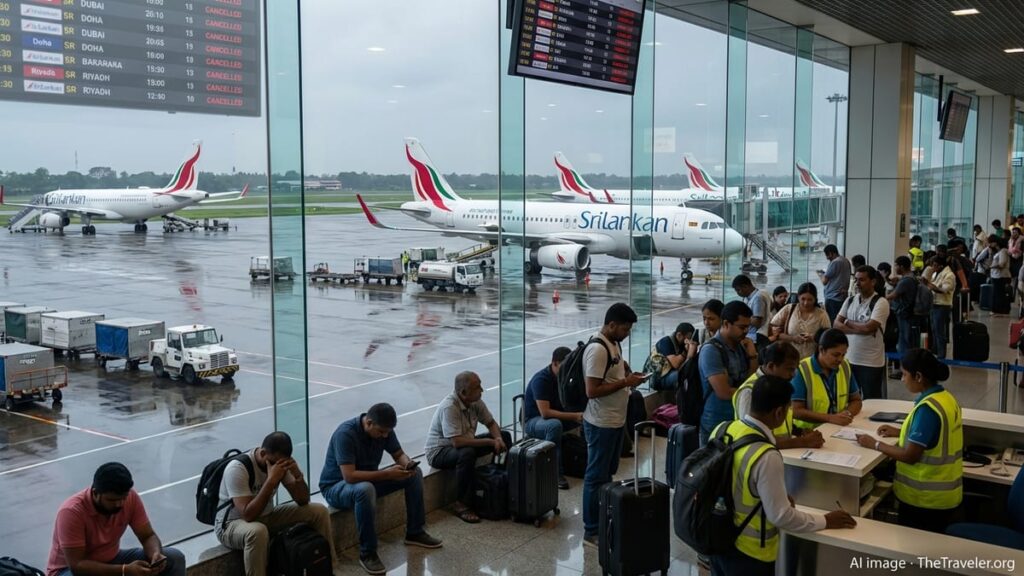
The conflict is expected to temporarily affect non-oil economic activity. With regional air travel largely suspended and consumer activity likely slowed, perceptions of risk may impact tourism. While Fitch anticipates economic growth effects will be temporary, long-term damage may occur in areas promoting themselves as international business and personal havens. An expatriate exodus could pressure GCC housing markets.
Most GCC sovereigns possess substantial assets to buffer against short-term energy revenue disruptions. Non-energy sectors, being lightly taxed, would have minimal impact on public finances if disrupted. Geopolitical risks are factored into most regional sovereign ratings via the World Bank Governance Indicators. Additionally, Fitch applies negative qualitative overlays to the Sovereign Rating Model (SRM) outputs for Abu Dhabi and the UAE, reflecting geopolitical risks and providing additional rating flexibility.
Israel’s governance indicators already account for exceptional direct security risks; the negative notch applied to Israel’s SRM outcome reflects its challenging external environment. However, any geopolitical or security events materially affecting the economy or public finances remain a rating sensitivity. An extended regional conflict, especially involving significant reservist mobilization, could prompt a downgrade, given Israel’s limited buffer at its ‘A’ rating, as indicated by the Negative Outlook.
The base case remains highly uncertain. A more extensive disruption to energy exports than anticipated could have severe negative impacts on regional sovereign credit profiles. The long-term stability and orientation of Iran’s government, along with implications for regional security, remain uncertain, potentially affecting ratings negatively or positively.