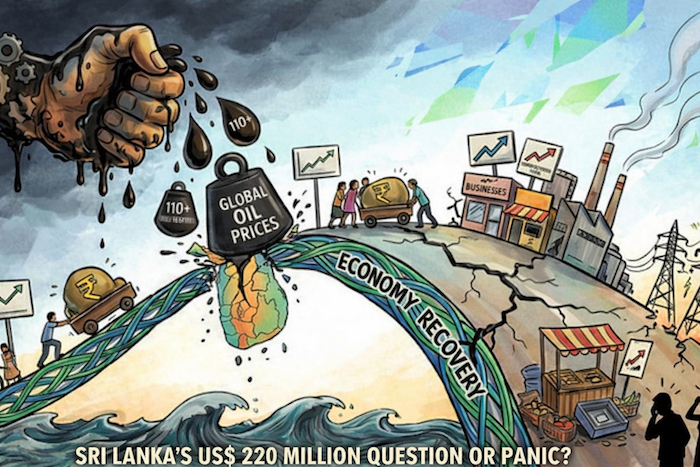

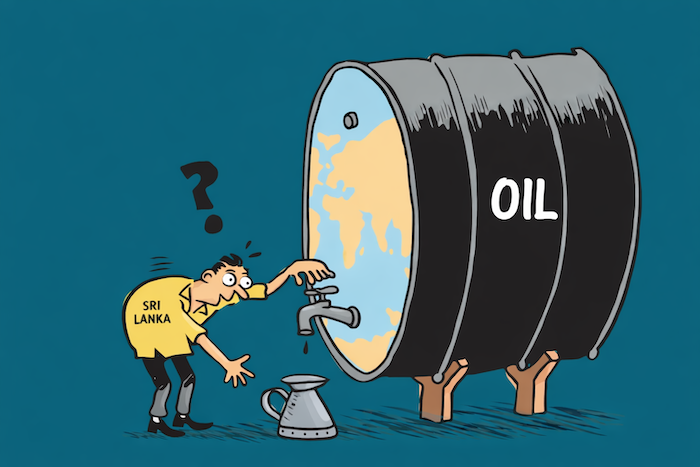
The immediate problem is that Sri Lanka is not a country with deep strategic reserves. Reuters reported recently that CPC had about 35 days of diesel and 37 days of petrol, and that this was effectively the full amount usually stored; CPC also said Sri Lanka does not have enough storage to hold fuel beyond the next few weeks. “EconomyNext” separately reported the President telling Parliament that new storage is being built, including an 86,000 MT complex, but that is a 2027-type fix, not a this-week fix.
Should our sources be correct that two crude cargoes have already been cancelled, Sri Lanka’s smartest response is to stop thinking like a normal importer and start thinking like a crisis manager.
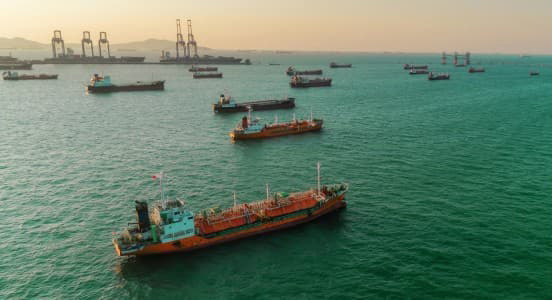
The first priority is to replace crude with refined products wherever possible. This is because Sapugaskanda’s current scale is limited, while refined imports can be sourced more flexibly from regional hubs. Reuters noted that Sri Lanka already relies heavily on India and Singapore for imports, and local reporting says Colombo is now in talks with India and China for emergency oil purchases.
That is the right instinct. In a disruption, the country should prioritize diesel, petrol, jet fuel and LPG cargoes first, rather than waiting for crude that may not arrive on time.
The second priority is to turn Trincomalee from strategy into reality. Right now it is an asset, but not yet a fully mobilised national shield. It has been reported that 24 tanks are to be developed by CPC, while older Trinco reporting shows multiple tanks under different operating arrangements including Lanka IOC-linked structures. Reuters also reported last year that Sri Lanka, India and the UAE were pursuing a Trincomalee energy hub, including modernization of tank infrastructure and pipelines. In plain terms, Sri Lanka should now use the crisis to fast-track temporary operational readiness at Trinco even before the full long-term hub is complete. That means emergency rehabilitation, fast-track line testing, and prioritizing tanks that can be made usable quickest.
he third priority is demand management without saying the word rationing too early. Reuters already showed what happens when panic gets ahead of policy: queues form, cans get filled, and psychology becomes part of the crisis.
The government has already used price increases as a deterrent against shortages, according to Ada Derana. That may be politically unpopular, but it is economically rational if the aim is to slow hoarding and stretch limited stocks. Beyond pricing, Colombo should immediately prepare a tiered demand plan:
protect public transport, health services, power generation, export logistics and aviation; squeeze non- essential consumption later if required. That is much better than waiting until pumps run dry and then improvising.
The fourth priority is financing and supplier confidence. Sri Lanka learned in 2022 that fuel crises are not only about product availability — they are also about the ability to pay quickly and credibly. Reuters’ 2022 reporting showed how fast import plans can unravel when prices spike and financing tightens.
If crude cargoes are indeed being cancelled now, the government should assume suppliers are repricing risk, freight and insurance. That means securing short-term credit lines, sovereign comfort letters where necessary, and priority FX allocation for energy imports. In a crisis, the first battle is physical supply. The second is keeping suppliers convinced Sri Lanka is still bankable.
So the sharp conclusion is this: the best way for Sri Lanka to secure energy during this crisis is not to wait for normality. It is to buy refined fuels from India and Singapore now, accelerate emergency access to Trincomalee storage, suppress non-essential demand early, and protect supplier financing confidence before panic spreads. If Colombo does those four things quickly, the country may avoid a full energy shock. If not, the fuel clock will start ticking much louder.