
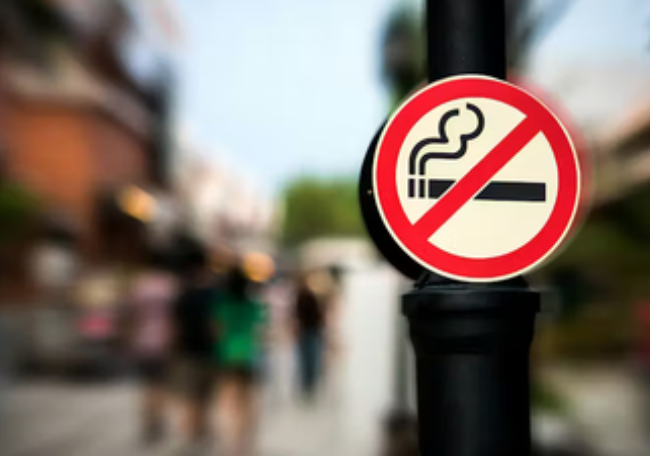
The proposal to ban cigarette sales to those born after 2010 made Sunday headlines as a bold, forward- looking public health intervention. Conceptually, it is hard to argue against. Fewer smokers mean lower healthcare costs, longer lives, and a healthier workforce.
But policy does not operate in concept space alone.
Sri Lanka’s tobacco debate is entangled with enforcement capacity, illicit trade, and fiscal dependence. Cigarette taxes remain a major revenue stream. Enforcement against smuggling is uneven. Regulation exists; compliance is selective.
A generational ban is ambitious. It is also administratively complex. How will age verification be enforced across informal retail networks? How will illicit alternatives be controlled? How will revenue losses be offset — or will they be ignored until they surface in fiscal gaps?
Public health policy succeeds when incentives align. When they do not, black markets thrive. Sri Lanka already struggles with enforcement consistency. A partial ban risks creating a parallel economy without reducing consumption meaningfully.
That does not mean the idea is wrong. It means it must be honest.
Public health gains must be weighed against enforcement realities and fiscal trade-offs. Pretending otherwise turns policy into symbolism — virtuous, popular, and weak.
If Sri Lanka wants fewer smokers, it must invest as seriously in enforcement and alternatives as it does in legislation. Otherwise, the ban will live comfortably in Sunday editorials — and uncomfortably in practice. Education Reform, Again: When the Classroom Becomes a Battleground
Education reform returned to Sunday front pages — not as a celebration, but as a controversy. Revisions, reviews, and public pushback dominate the narrative. Once again, education sits at the intersection of policy ambition and social anxiety.
Reform is necessary. Sri Lanka’s education system struggles with relevance, equity, and outcomes. Curriculum modernization, skills alignment, and assessment reform are overdue.
But reform without trust fails.
Parents fear experimentation with their children’s futures. Teachers fear loss of autonomy. Students fear becoming policy prototypes. These fears are not irrational; they are historical.
Sri Lanka’s education reforms have often been rolled out with urgency and rolled back with embarrassment. Consultation comes late. Communication is inconsistent. Pilots become mandates before evaluation.
Sunday coverage reflected this fatigue. The issue is not whether reform is needed — it is whether it is credible.
Education reform is not a technical exercise. It is a social contract. Without buy-in, even good policy collapses under resistance.
The lesson is familiar and repeatedly ignored: move slower, explain better, pilot honestly. Reform imposed is reform reversed.