
Sri Lanka is facing a significant demographic shift, with projections indicating that by 2042, 25% of the population will be aged over 60. This change is imminent, just sixteen years away, and the country appears ill-prepared at both the policy and household levels to address the implications of an aging population.
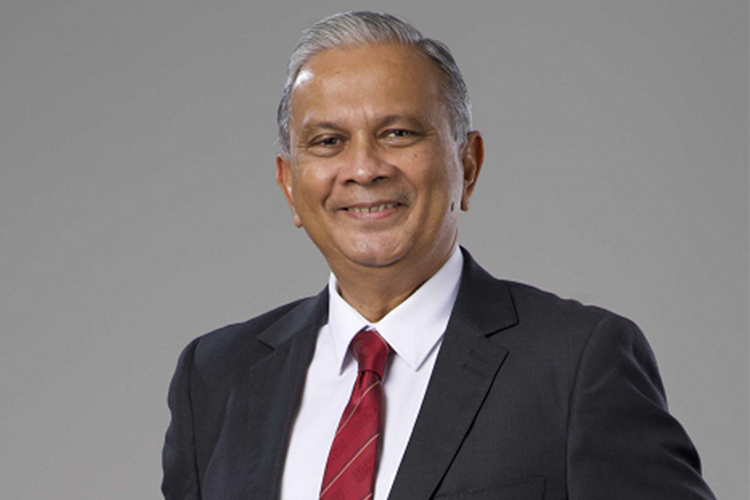
Thushara Ranasinghe, Managing Director and CEO of Ceylinco Life, emphasizes the urgency of this situation: “Sri Lanka’s demographic changes are not a distant issue; they are arriving now. As one in four citizens will surpass sixty years of age by 2042, we are confronted with social and economic realities that demand our immediate attention, rather than being relegated to future planning cycles.”
While Sri Lankans are adept at making short-term plans for necessities such as education, housing, and children’s schooling, very few consider their financial needs in old age. This discrepancy between current financial management and inadequate retirement funding is emerging as a critical economic challenge for the nation.
As for the statistics driving this concern, the average life expectancy in Sri Lanka currently hovers around 77 to 78 years, whereas the standard age for retirement in the private sector is 60. This raises a crucial issue: retirees may need to finance a post-work life of fifteen years or longer based on their accumulated resources.
The Employees’ Provident Fund (EPF) serves as the main source of retirement income for many private sector workers. According to the EPF Annual Report for 2024, the Fund disbursed Rs. 188 billion in retirement and death benefits to members and their beneficiaries during the past year. These disbursements reflect individuals exiting the workforce, often after years of contributions.
Additionally, the EPF facilitated Rs. 40 to 45 billion in pre-retirement withdrawals for purposes such as housing and medical expenses. In total, benefit payments from the EPF reached approximately Rs. 230 billion, illustrating both the volume of retirements and the level of savings being depleted prior to retirement.
However, the average EPF balance available at retirement remains modest when considering the number of members leaving the Fund. When spread out over a retirement period of fifteen years or more, the typical payout results in a monthly amount that may be insufficient for a comfortable living, revealing a widening gap between longevity and financial readiness.
The situation is even more alarming for a substantial segment of the workforce, including self-employed individuals, informal sector workers, gig economy participants, and small business owners, who lack any EPF coverage. For these individuals, retirement planning often takes a backseat to immediate financial pressures.
Even among those who do contribute to the EPF, awareness regarding their expected retirement benefits is alarmingly low. Many individuals are unaware of their current balance, and even fewer have projected how that balance will fare at retirement or what it will actually provide in the future. Contributions are made, but there is little understanding of their implications.
Ranasinghe points out, “The retirement dilemma in Sri Lanka is not limited to low-income workers. A considerable portion of our workforce lacks a structured retirement plan. Furthermore, even those with an EPF account often assume their contributions will suffice without verifying this assumption against reality.”
Moreover, the erosion of traditional family support structures is further complicating the retirement landscape. While previous generations could rely on extended families and children living nearby, urbanization and the rise of nuclear family models have weakened this safety net. Many individuals approaching retirement today lack the familial support that once provided a buffer.
Retirement vulnerability in Sri Lanka is not simply a matter of income level. While low-income workers with little savings are at risk, professionals also face unique challenges that can be equally severe. They typically incur higher living costs, possess greater financial obligations, and often have an unrealistic belief in their financial security, which is rarely scrutinized until it is too late to take corrective measures.
Women are particularly susceptible to retirement challenges due to factors such as career interruptions for caregiving, lower average earnings, and longer life expectancy, which collectively contribute to a larger retirement gap compared to their male counterparts.
Individuals who begin planning for retirement later in life, particularly those who start in their mid-forties, find themselves with limited time to save and invest. Additionally, the so-called sandwich generation—those in their forties supporting both children and aging parents—often neglect their own retirement savings, making them one of the most financially strained demographics in Sri Lanka.
In response to these pressing issues, Ceylinco Life is launching “Retirement Ready,” a year-long national awareness initiative set to commence in 2026. This campaign will utilize various media formats, including print, digital, broadcast, and podcasts in Sinhala, Tamil, and English, with the goal of educating the public rather than promoting products.
“Having spent three decades assisting Sri Lankan families during critical financial moments, we have witnessed the consequences of postponed planning. Retirement Ready represents our commitment to change this dialogue by proactively informing people rather than waiting for them to seek assistance,” states Ranasinghe.
This initiative will leverage three decades of data on Sri Lankans’ saving, spending, and planning behaviors, as well as the repercussions of inaction. The campaign will specifically target professionals, women in the workforce, late starters, and the sandwich generation, providing each group with a realistic assessment of their retirement prospects and available options.
The discourse surrounding retirement in Sri Lanka often occurs too late, typically during the final years of one’s career when opportunities for meaningful change have diminished. Ceylinco Life asserts that this situation is not unavoidable, but rather a consequence of delayed decisions and unanswered questions. The optimal time to address these issues was two decades ago, but the second-best time is now.
“This campaign is not about promoting products; it is centered on fostering informed choices. We believe every Sri Lankan, regardless of their financial status or profession, deserves to comprehend what their retirement will entail and to have the chance to take proactive steps while there is still time,” concludes Ranasinghe.