
The International Monetary Fund (IMF) states that Sri Lanka’s economic reform programme has made “very significant progress,” showcasing strong growth, low inflation, and improving external indicators, despite recent shocks.
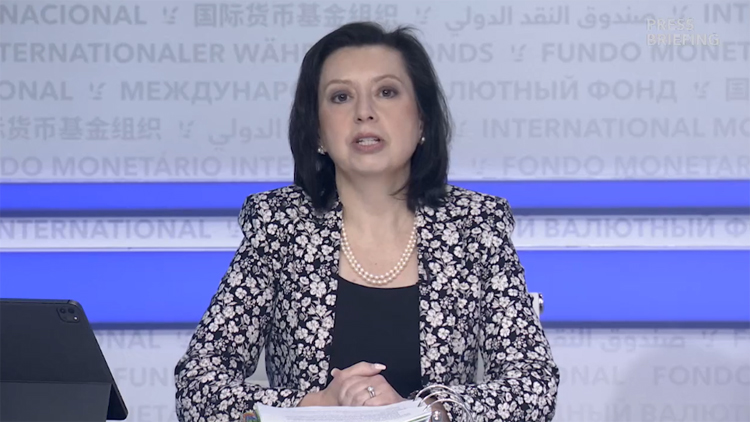
During a press briefing on March 19, IMF Communications Director Julie Kozack mentioned that the programme has remained on track even after the impact of Cyclone Ditwah, emphasizing the resilience of the Sri Lankan people.
Kozack reported that Sri Lanka’s economy grew by approximately 5% in 2025, while inflation was around 1.6% in February, indicating stabilizing macroeconomic conditions. She also noted that the country’s debt restructuring process is nearly complete, and gross international reserves have been rising significantly.
However, she warned that Sri Lanka remains vulnerable to external shocks, particularly due to ongoing tensions in the Middle East. The country is exposed through key channels such as trade, worker remittances, and tourism, which could impact the economic outlook.
Looking ahead, Kozack confirmed that an IMF staff team is expected to visit Sri Lanka from March 26 to April 9 to engage in discussions on economic policies. The mission aims to finalize a combined Fifth and Sixth Review under the Extended Fund Facility programme.
During the visit, IMF officials will also interact with Sri Lankan authorities to assess the potential economic impact of the Middle East conflict. The findings are anticipated to inform the IMF’s updated assessment of Sri Lanka’s economic trajectory and future support.
The IMF reiterated its commitment to continue supporting Sri Lanka as it advances its reform agenda and navigates external risks.
The post IMF highlights Sri Lanka’s resilience, warns of Middle East risks appeared first on Financial Chronicle Biz English | Sri Lanka Business News.