
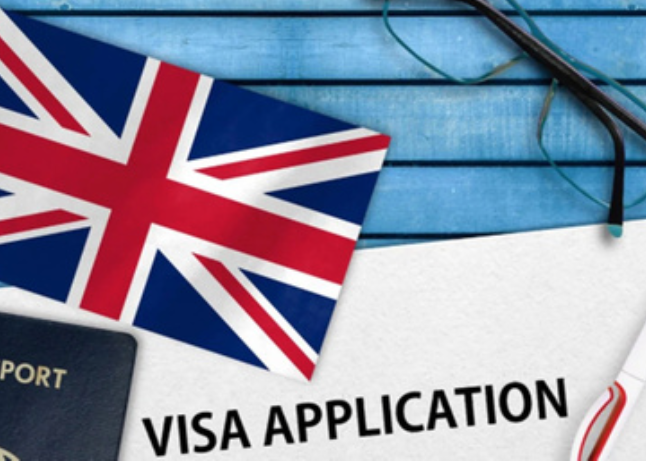
If you were under the impression that Britain was merely reviewing immigration, think again. This is not a review. It is a recalibration — with a ruler, a red pen, and very little sentiment.
From 2026, the UK immigration system tightens further, implementing reforms trailed in last year’s Immigration White Paper and now confirmed through parliamentary briefings and policy notes. The message is consistent, if not subtle: fewer arrivals, better English, longer probation, tighter borders.
Start with language. From January 8, 2026, first-time applicants on the Skilled Worker, Scale-up and High Potential Individual routes will need to demonstrate English at B2 level, up from the current B1. The justification is workplace communication and “integration” — a term that, in policy circles, usually means we’d like fewer misunderstandings and more compliance. Existing visa holders extending their stay are spared this particular upgrade, for now.
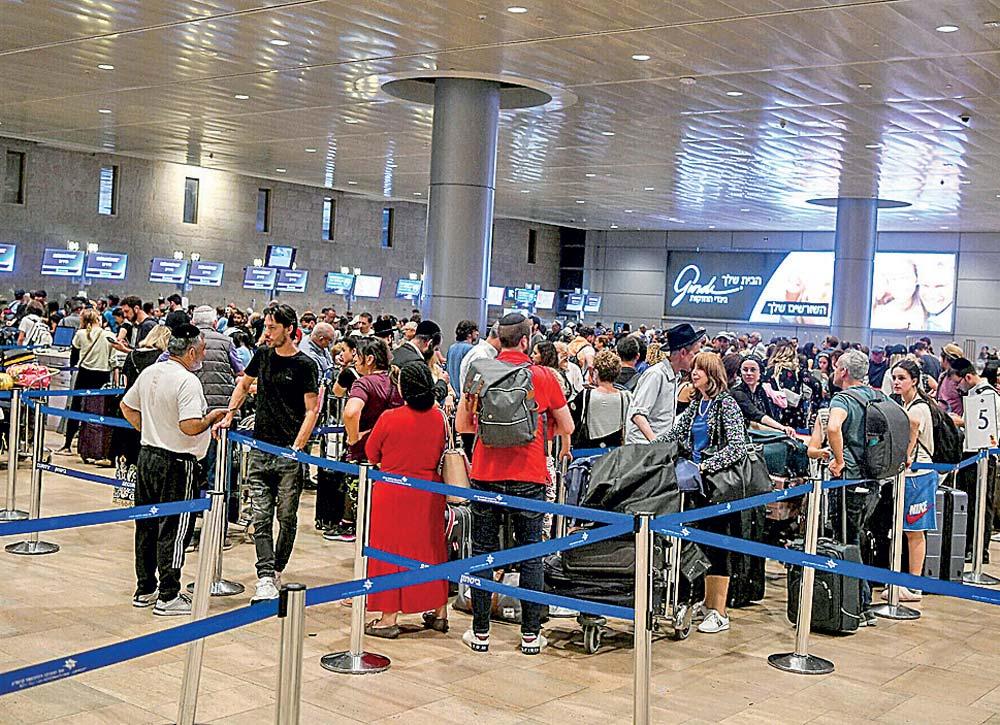
Then comes travel itself. From February 25, 2026, the UK’s Electronic Travel Authorisation scheme becomes fully enforceable under the rather unambiguous principle of “no permission, no travel.” Visa- exempt visitors from around 85 countries will need to secure digital pre-approval before boarding a flight. The ETA will cost £16, last two years, allow multiple entries, and be checked by airlines before passengers even reach the departure gate. British and Irish citizens, naturally, remain exempt. Borders, it seems, now begin at the check-in desk.
Settlement is where the real patience test lies. The government is consulting on proposals to extend the standard route to Indefinite Leave to Remain from five years to ten, alongside tougher English requirements and proof of sustained income and economic contribution. Translation: stay longer, earn steadily, integrate demonstrably. If approved, these changes would take effect from April 2026 and would not apply retrospectively — a small mercy for those already through the door.
As for pay, there are no fresh increases announced for 2026, but last year’s higher thresholds are here to stay. The £41,700 minimum salary for most Skilled Worker roles remains the baseline, with temporary shortage occupation concessions expected to limp on until the end of 2026.
The government says these measures will reduce net migration, attract higher-skilled workers, and reinforce border control. All true, in theory. In practice, Britain is signalling a preference not just for skills, but for stamina — linguistic, financial, and temporal.
Employers, migrants and travellers are being advised to keep a close eye on guidance from the UK Home Office and to plan early — particularly on English testing, ETA compliance and long-term settlement strategies.
In short, the UK isn’t closing its doors. It’s simply making sure they’re heavier, slower to open, and clearly marked “entry subject to conditions.”
That, as ever, is the turning point.