FINANCIAL CHRONICLE – Russia’s Deputy Energy Minister Roman Marshavin will visit Sri Lanka to hold formal talks regarding a government-to-government oil deal. This announcement was made by the Cabinet Spokesman amidst ongoing fuel shortages and rising prices.
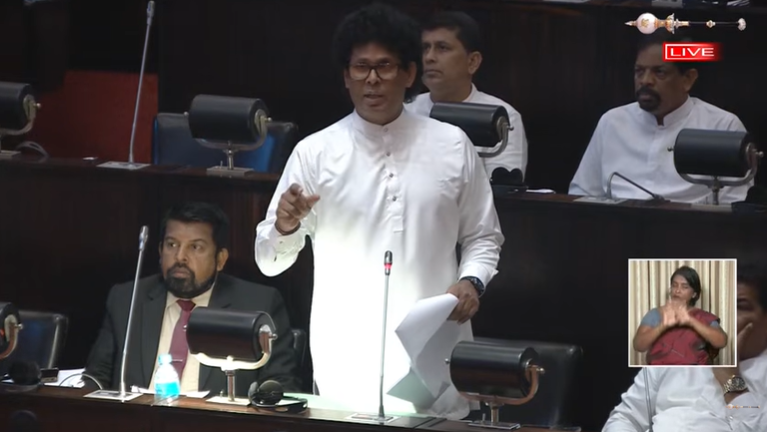
Nalinda Jayatissa, the Cabinet Spokesman and Minister of Media and Health, stated that Sri Lanka is exploring oil opportunities with various parties. “Yes, the talks are in process at the diplomatic level. Russia’s Deputy Energy Minister is due for talks. Then we can further formalise it,” he mentioned during the weekly Cabinet news briefing when asked about the discussions with Russia.
He added, “But you all know that we were not able to buy oil from Russia in the past. So we are trying to see if we could strike a government-to-government deal with Russia.”
Sri Lanka’s attempt to secure Russian oil in early 2026 has been a high-stakes balancing act between domestic survival and international diplomacy. Recently, the U.S. Treasury issued a 30-day temporary waiver (March 12 – April 11) allowing the purchase of stranded Russian oil to stabilize markets amid the ongoing Iran war. However, Sri Lanka’s transition has been historically challenging due to two primary barriers.
President Anura Kumara Dissanayake recently acknowledged in Parliament that the main obstacle is not merely the oil itself, but the risk of U.S. trade retaliation. With 25% of Sri Lankan exports, primarily apparel and tea, destined for the American market, the government is concerned that bypassing Trump-era tariffs and sanctions could result in an economic blow that outweighs the benefits of cheaper fuel.
Unlike regional giants such as India, Sri Lanka does not possess its own vessel fleet or specialized insurance mechanisms to transport sanctioned or shadow Russian crude. Although Russia is willing to sell, the logistical costs associated with hiring third-party tankers—facing 1,000% insurance premium spikes due to the conflict—have rendered the discounted Russian oil nearly as expensive as market-rate fuel by the time it reaches Colombo.
(Colombo/March 24/2026)