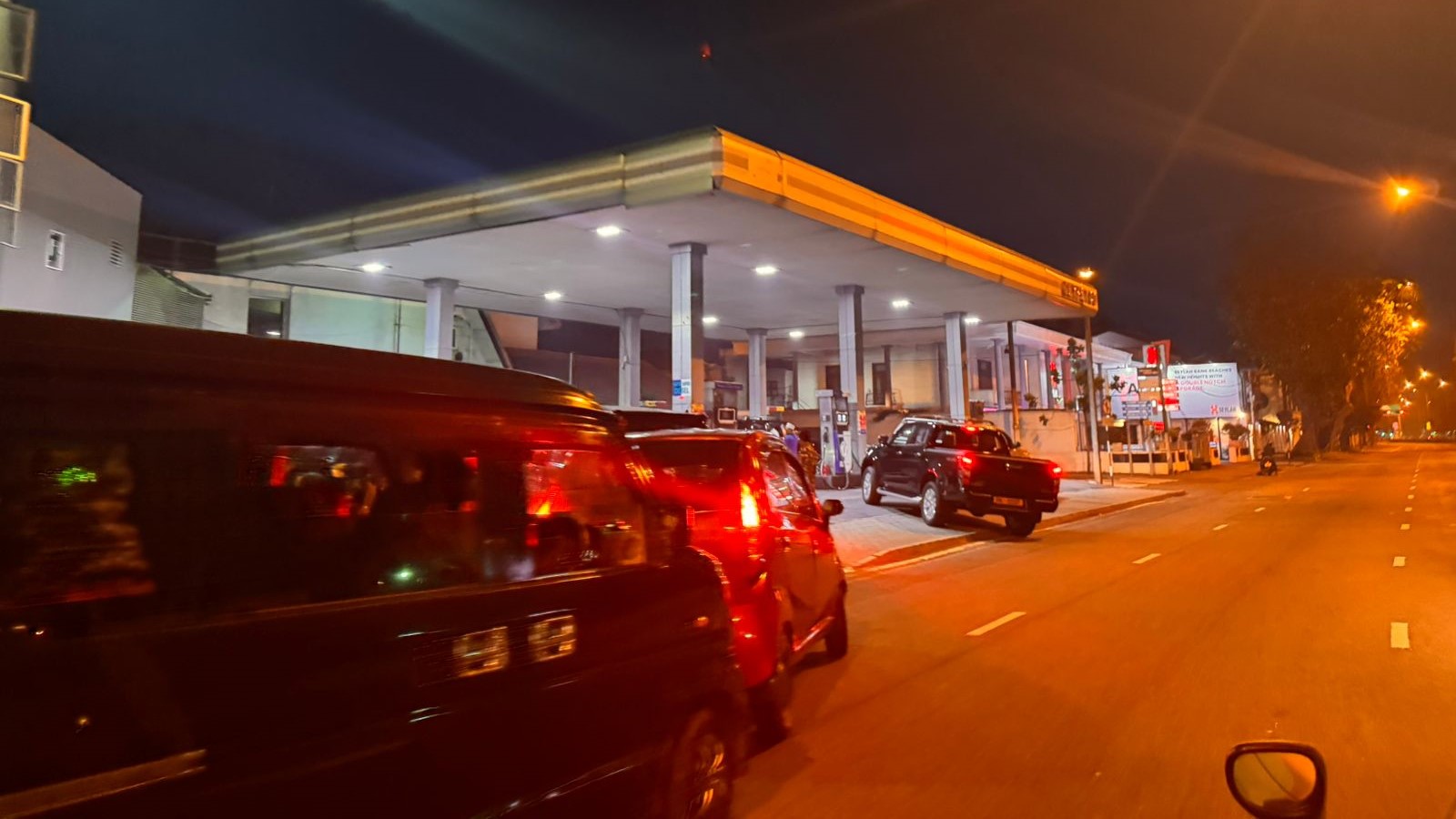
FINANCIAL CHRONICLE – Imposing external controls is not the right way to tackle any fallouts from the Middle East conflict on Sri Lanka, Central Bank Governor Nandalal Weerasinghe said. The government is taking action to raise fuel prices to balance external and domestic demand.
“I don’t think that’s the right way to do that,” Governor Weerasinghe told reporters after keeping rates on hold. “We don’t make any kind of suggestions to restrict capital flows, imports, remittances, or even outflows. There are no restrictions. We will maintain all what we have relaxed so far. Those will prevail.”
“And the adjustment in prices will certainly take care of this demand,” he added. Governor Weerasinghe was responding to a question regarding whether car imports should be controlled. Higher fuel and energy prices will reduce disposable incomes of people and their ability to spend on non-oil imports, matching external prices to the domestic economy.
“There will be a reaction in demand for imports—not only cars but everything else,” Governor Weerasinghe said. There could also be a slowdown in credit and general spending due to additional cautious behavior.
Meanwhile, observers say vehicle dealers have started pushing sales by spreading a narrative that the government may soon re-impose import controls. Critics have pointed out that imposing exchange or trade controls allows the central bank to escape accountability for flaws in its operating framework, which trigger forex shortages or depreciation.
Analysts and members of the Parliament’s Committee on Public Finance have raised concerns over excess liquidity created by monetizing dollar deposits of banks (long ago inflows) through buy-sell swaps. The newly created domestic money given to banks against past dollar savings, analysts have warned, will generate bank credit and imports, including cars, which are out of line with current inflows, weakening the rupee unless the dollars, which were monetized, are returned to the importers (rupee defended) who use the newly created money.
Any refusal by the Public Utilities Commission to raise power prices as in the past, triggering bigger losses in the Ceylon Electricity Board financed with borrowings from excess liquidity, could pressure the rupee or lead to reserve losses if the rupee is defended, analysts say.
The central bank has engaged in repo and term repo operations to temporarily mop up some of the excess liquidity. However, unless they are permanently sterilized through outright sales of Central Bank-held securities, banks will eventually lend the excess liquidity and trigger excess imports, analysts have warned.
Weakening the value of the national monetary unit by excessive dollar purchases or buy-sell swap liquidity undermines the fiscal corrections (fuel price hikes) and further amplifies costs, triggering social unrest and undermining democratic rule by bringing to public displeasure a government willing to take prudent action, critics say. A similar public reaction was seen in 2018 when money was printed through swaps and sterilized sales to keep rates down.
In January, private credit fell, and the central bank bought dollars (monetized the balance of payments surplus created by the credit slowdown) and did not allow the rupee to stabilize, unlike in 2004 and 2005 after the tsunami.
Meanwhile, Governor Weerasinghe said remittances were strong, though tourism arrivals were down. In the absence of central bank money creation, a fall in remittances or tourism reduces incomes of Sri Lankan residents and leads to a fall in imports. While a fall in inflows only reduces the ability to spend on imports, a weakening of the currency could trigger capital flight, as seen in the past.
(Colombo/Mar26/2026)