
The Middle East today is not merely tense – it is recalibrating itself under fire. From Iran to the oil capitals of the Gulf, the region is no longer watching a conflict unfold. It is living inside it.
In Iran, the war has moved beyond rhetoric into infrastructure. Strategic strikes on the South Pars gas field – the beating heart of the country’s energy system – have disrupted supply and triggered a chain reaction across the region.
Civilian casualties are mounting, with estimates suggesting well over 1,000 deaths and thousands more injured since the escalation began.
Explosions have been reported across major cities – Tehran, Isfahan, Shiraz – underscoring a war no longer confined to borders but embedded in daily life.
Be that as it may, Iran is not standing still. Its response has been calculated, asymmetric, and regional. Missile and drone strikes have reached into Saudi Arabia, the United Arab Emirates, and beyond.
Saudi Arabia has seen direct attacks on energy infrastructure, including attempts on major refineries, with civilian casualties reported.
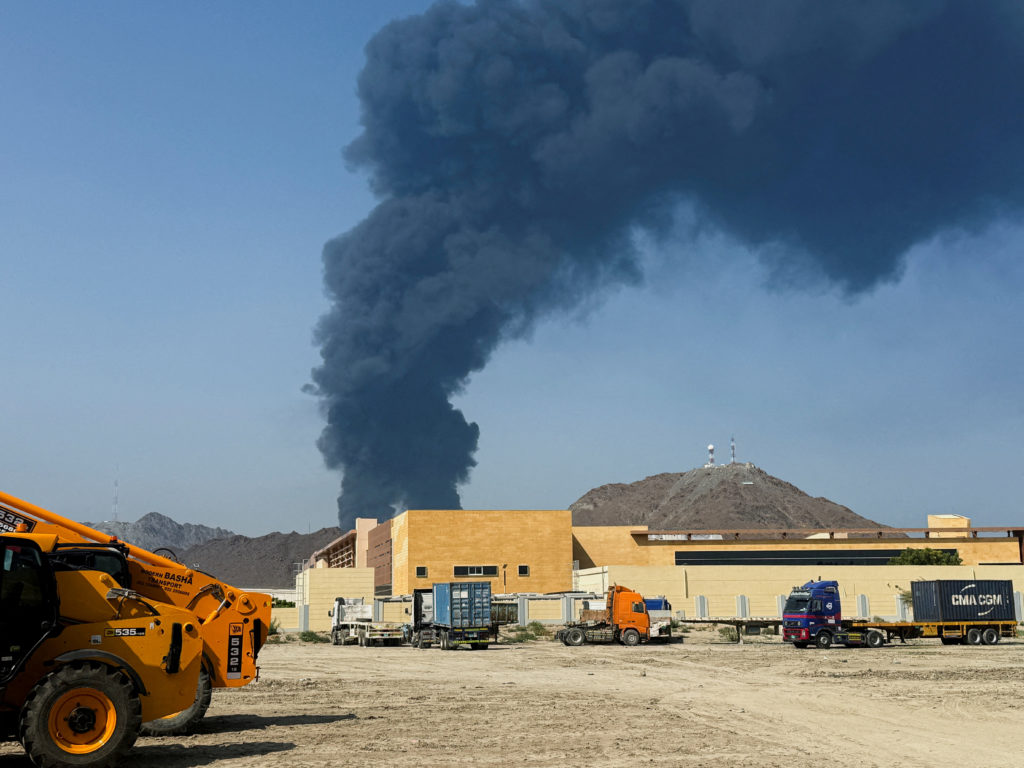
The UAE, long considered insulated by stability, has not escaped either – with drone strikes hitting critical commercial hubs, including Dubai’s airport and Fujairah port.
Across the Gulf, the mood is one of controlled anxiety. Governments remain outwardly composed, but beneath that composure lies a stark reality – energy installations are now frontline targets.
Iran has openly warned that facilities across the region could be struck next. This is no longer a distant war; it is a war aimed at the global economy itself.
In Lebanon, the situation borders on humanitarian collapse. Israeli operations against Hezbollah have left over 900 dead and displaced nearly a million people.
Entire communities are on the move, infrastructure is crumbling, and the state itself appears overwhelmed.
Meanwhile, in the Kingdom of Saudi Arabia – custodian of Islam’s holiest sites – life continues, but under tightened security and visible restraint.
Even religious observances are subdued, a reflection of a region that is wary, watchful, and deeply uncertain.
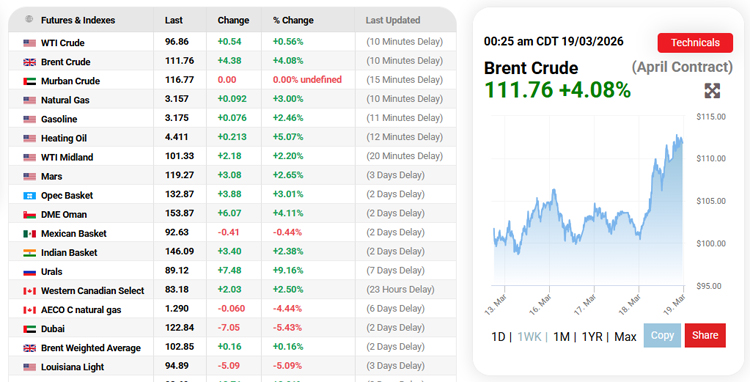
The endgame remains elusive. Oil prices surge past $100. Shipping lanes falter. Diplomacy whispers, but missiles speak louder.
And so, the Middle East stands at a turning point – not of resolution, but of realignment.
Because when energy becomes the battlefield, the world is no longer watching from the sidelines.
It is already involved.