
Sri Lanka’s tourism industry, which only recently began to recover from years of crisis and uncertainty, now finds itself once again watching events unfolding thousands of miles away with understandable concern. The escalating tensions across the Middle East may seem geographically distant, yet their economic tremors are already being felt in sectors that depend heavily on global stability.
Tourism is one of them.
The island’s tourism sector has endured more than its fair share of shocks over the past decade. From the devastation of the 2019 Easter Sunday bombings to the pandemic collapse that followed the outbreak of COVID- 19, and then the economic crisis that shook confidence in 2022, the industry has repeatedly been forced to rebuild itself from the ground up.
Now a new challenge emerges from the turbulence in the Middle East.
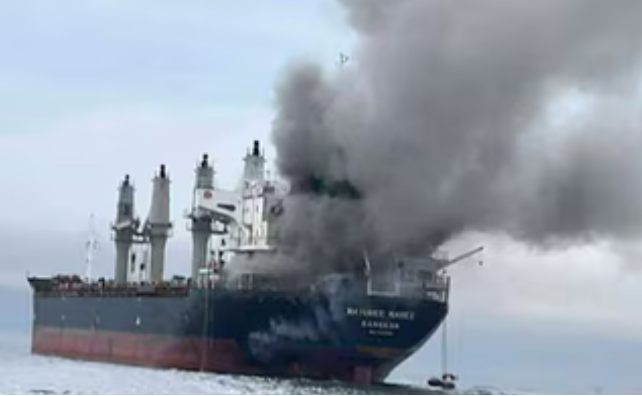
Be that as it may, tourism is rarely affected by conflict in a single, direct way. Its vulnerability lies in the chain reaction that global crises trigger. The most immediate concern for Sri Lanka lies in energy. Rising tensions in the Gulf have already pushed global oil markets into a state of nervous anticipation, particularly around the strategically critical Strait of Hormuz through which a significant share of the world’s oil shipments travel.
If disruptions occur there, fuel prices will rise. And when fuel prices rise, aviation costs follow.
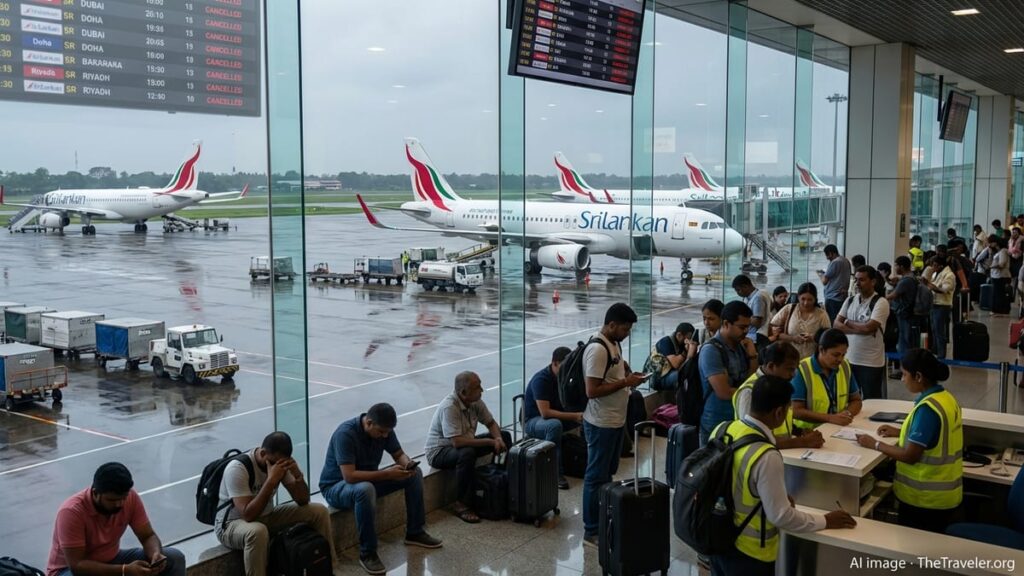
For airlines operating long-haul routes to destinations such as Colombo, higher jet fuel prices can quickly alter the economics of travel. Airfares increase, routes may be adjusted and travel demand often softens. Tour operators become cautious. Travellers reconsider long-distance holidays.
Sri Lanka, which depends heavily on international air travel for its tourism arrivals, cannot escape those realities. There is also the domestic dimension. Should fuel prices climb sharply, transportation within the island becomes more expensive. Hotel operations, electricity generation and logistics costs all rise in tandem.
Be that as it may, the Sri Lankan tourism industry has demonstrated remarkable resilience before.
Operators have adapted to adversity, reinvented marketing strategies and rediscovered new visitor markets even in the face of formidable obstacles.
Yet the question increasingly asked within the sector is a simple one: how many shocks can a single industry absorb in such a short span of time?
Tourism remains one of Sri Lanka’s most important sources of foreign exchange and employment. Its success depends not only on the beauty of the island but also on the stability of the world beyond its shores.
And in times such as these, stability can sometimes feel like the rarest commodity of all.